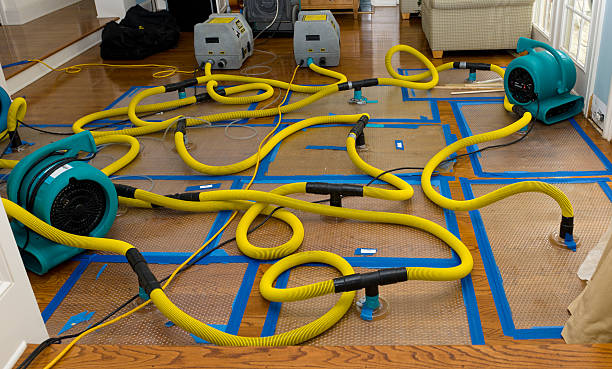
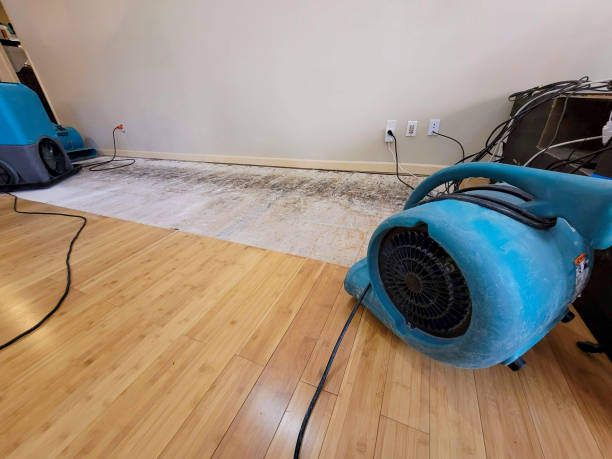
Drying a structure correctly isn't about running a few fans and hoping — it's a calculated process based on temperature, humidity, and airflow readings.
Every Structural Drying And Dehumidification job in Hope, MI includes daily documented drying logs so progress is measured, not assumed.

A calculated drying plan means faster results with the right amount of equipment, not excess.
LGR capacity is standard equipment on every Structural Drying And Dehumidification job, not a premium upgrade.
We map hidden moisture with thermal imaging before finalizing equipment placement.
You receive documented daily readings showing the structure actually getting drier.
Structural drying is a distinct phase with its own methodology, separate from initial extraction, and here's how our Hope, MI crews run it.

The assessment sets the baseline every later reading gets measured against.
Thermal imaging often reveals moisture has traveled further than the visible damage suggested.
Dehumidifier capacity is matched to the calculated moisture load for that specific space.
Daily monitoring confirms equipment is working and adjusts the plan if progress stalls.
We adjust drying speed for sensitive materials like hardwood and cabinetry to prevent secondary damage.
Final verification compares closing readings against the material-specific dry standard, not a general guess.
We ask enough to bring the right instruments on the first visit.
A technician arrives with thermal imaging cameras and moisture meters ready to assess.
You'll see the calculated plan and cost before drying equipment goes down.
The job closes only once documented readings confirm the structure is fully dry.

"The thermal imaging found moisture behind a wall that looked completely fine from the outside. Would have missed it otherwise." — Julian R.
"They came back every single day to take readings and showed me the numbers improving. Felt like real science, not guesswork." — Monique T.
"Our hardwood floor didn't warp because they slowed the drying process down specifically for it." — Grant P.
Visual appearance doesn't confirm dryness — instrument readings are needed to catch what's not visible.
It's the technical foundation behind Structural Drying And Dehumidification rather than a marketing term.
Typical drying time is 3-5 days for standard materials, longer for sensitive ones like hardwood.
You'll see the actual numbers improve each day through documented logs.
We adjust the drying plan whenever sensitive materials are involved.
A stall in the daily logs triggers a plan review rather than simply leaving equipment running unchanged.
If your property is in or near Hope, a crew can typically respond the same day.

Speak directly with our structural drying team.
Call +1-844-833-1325